
Are you an Australian Business Owner who is disturbed by the trends in violent crime and wants to ensure their business, staff and family have all the protection they need?



EOFY Is Over -Why That’s Actually Good News for Your Next Security Upgrade
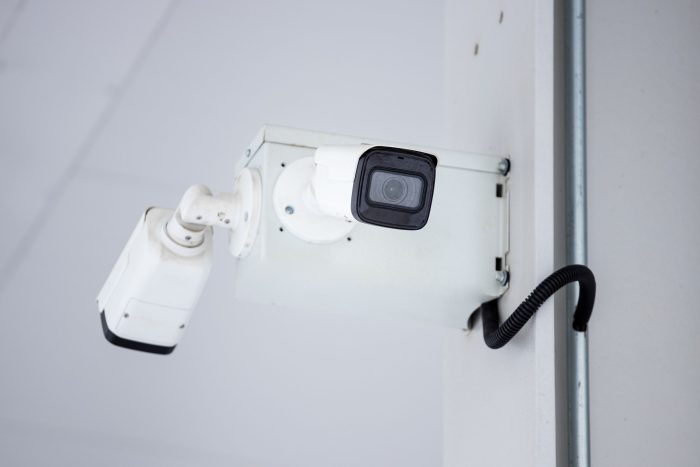
If you were holding off on a CCTV or alarm upgrade because you missed the 30 June deadline, take a breath. You didn’t actually miss anything.
For years, the instant asset write-off was a genuine race against the calendar. Parliament renewed the $20,000 threshold in short bursts, sometimes with only weeks of notice, and every business owner in Perth learned to dread the “is it staying or is it dropping to $1,000” headlines each May. That pressure is why so much of the security industry’s EOFY content reads like a countdown clock.
That’s changed. In the May 2026 Federal Budget, the government confirmed it’s making the $20,000 instant asset write-off a permanent, ongoing feature of the tax system from 1 July 2026 — not a temporary extension that needs re-announcing every year. The measure still needs to finish passing through Parliament, but there’s bipartisan support behind it, and the current 2025–26 threshold that just closed on 30 June was already locked in under earlier legislation.
What that means in plain terms: the “buy it now or lose the deduction” urgency that used to drive EOFY marketing is largely gone. You can plan a security upgrade around when your business actually needs it — not around a tax deadline.
What This Means If You’re Planning a Camera, Alarm or Access Control Upgrade
We install security systems for a living, not tax advice, so the detail below is general information — always confirm the specifics with your accountant before you commit to a purchase. But here’s the shape of it, based on what we’re seeing our commercial clients act on:
The threshold is per asset, not per invoice. If you’re upgrading a multi-camera CCTV system, an access control panel, or adding readers across several doors, each individual depreciating asset under the threshold can potentially be written off in the year it’s first used — not the total invoice. That’s different to how a lot of business owners assume it works, and it’s worth walking through with whoever installs your system so the quote is itemised sensibly.
“Purchased” isn’t the trigger — “installed and ready for use” is. This is the part that catches people out every year. Paying a deposit or having equipment sitting in a box doesn’t count. The asset has to be physically installed and operational. If you’re planning an upgrade for the new financial year, build in lead time for site surveys, cabling, and commissioning — not just delivery.
Ongoing planning beats a scramble. Because the threshold is set to be a standing feature rather than a use-it-or-lose-it window, there’s a real argument for doing a proper security audit now, working out what your business actually needs — more camera coverage on a blind loading dock, access control on a stockroom that’s had shrinkage, an alarm upgrade after a break-in attempt — and scheduling the work around your operations rather than the tax calendar.
What Actually Qualifies as a Security Asset
Depreciating assets that businesses commonly ask us about include:
- CCTV cameras, recorders (NVRs/DVRs) and monitoring hardware
- Access control panels, door readers, and electronic locks
- Alarm panels, sensors, and keypads
- Video intercom units
Installation labour is generally treated differently to the hardware cost for depreciation purposes, which is another reason to get an itemised quote rather than a single lump-sum figure — your accountant will need that breakdown.
Why We’re Raising This Now
We’ve fitted out enough small businesses across Perth over the years to know the EOFY rush usually produces the same outcome: a system gets installed in a hurry in the last week of June, sometimes without a proper site assessment, because the owner is chasing a deadline rather than a result. A camera position gets compromised, or a door reader goes on the wrong side of a fire-rated frame, because there wasn’t time to do it properly.
With the deadline pressure removed, our advice to clients this year is the same advice we’d give anyone at any point in the financial year: start with a walk-through of your site, work out where your actual exposure is — stock loss, after-hours access, blind spots in car parks or loading areas — and build the system around that, not around a due date.
Talk to Someone Who Actually Installs These Systems
If you’re weighing up a CCTV upgrade, an access control system, or a full alarm refit for the year ahead, our team can walk your site and give you a straightforward recommendation — not a sales pitch built around a countdown. Have a look through our CCTV Solutions and Access Control Solutions pages, or get in touch and we’ll organise a site assessment.
This article is general information only and does not constitute tax or financial advice. Speak to a registered tax agent or accountant about how the instant asset write-off applies to your specific business.