
Are you an Australian Business Owner who is disturbed by the trends in violent crime and wants to ensure their business, staff and family have all the protection they need?



Wireless Alarm Systems in Perth – What’s Actually Worth Paying For
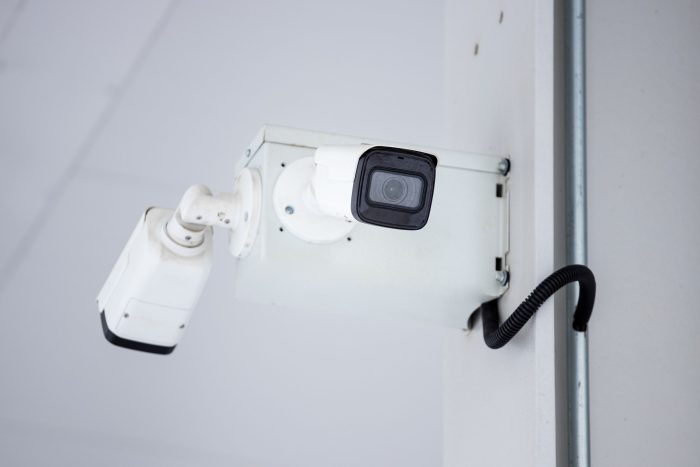
Search “wireless alarm system Perth” and you’ll get hundreds of results, most of them either trying to sell you a $200 DIY kit from a hardware store or a commercial-grade system you don’t need for a three-bedroom house in Ballajura. Neither extreme is particularly helpful when you’re just trying to work out what will actually protect your property.
This guide is written from the installer’s side of that conversation — the questions Perth homeowners and business owners ask before they commit, and the answers that don’t depend on which brand happens to be on special that month.
Why So Many Perth Properties Are Switching to Wireless
Western Australia’s break-in numbers aren’t trivial. Nationally, the Australian Bureau of Statistics estimates that around 1.8% of households experience a break-in in any given year — roughly 185,000 homes. Perth’s own figures sit well above the national and state averages once you look at WA Police crime data by district, and the pattern that keeps showing up is the same one criminologists have documented for decades: most burglaries aren’t planned by professionals casing a target for weeks. They’re opportunistic. Someone notices an unlocked sliding door, no visible alarm, and nobody home on a weekday afternoon, and they act on it.
That second part — nobody home on a weekday afternoon — is exactly when most residential break-ins in Perth happen. Which means the alarm system sitting unused in a property that’s empty all day isn’t doing its job, regardless of how good the hardware is.
Wireless systems have become the default recommendation for a few practical reasons that have nothing to do with marketing. There’s no cable to run through gyprock, brick veneer, or — in a lot of Perth’s older suburbs — solid double-brick walls that are genuinely painful to chase a cable through. Most residential wireless installs are finished in a single visit. Renters and apartment owners can install one without putting a hole in a wall they don’t own. And if you renovate, extend, or just want to add a sensor to the new alfresco three years later, it’s a five-minute job rather than reopening a wall cavity.
How a Wireless Alarm System Actually Works
It’s worth understanding the mechanics, because “wireless” gets used loosely and it isn’t all built the same way.
Each sensor — a motion detector, a door or window contact, a glass-break sensor — talks to a central hub using encrypted radio communication rather than a physical cable. The hub is the brain of the system. It’s what decides whether an activation is real, logs the event, and pushes the signal out to a monitoring centre or your phone. A proper system doesn’t just fire a signal and hope — it uses two-way communication, meaning the sensor and the hub confirm delivery of every message, and if a sensor goes offline or a battery runs low, the hub flags it immediately rather than leaving you with a dead zone you don’t know about.
To put real numbers on it: the Ajax Jeweller protocol we install across most Perth residential and commercial jobs has an open-air range of around 2,000 metres between a sensor and the hub, transmits an alarm signal in under 0.15 seconds, and runs detectors on a single battery for up to seven years. It also uses frequency hopping and block-cipher encryption with a rotating key, which matters because it’s the answer to the one honest criticism of wireless systems worth taking seriously.
That criticism is jamming. A wired sensor can be defeated by cutting a cable. A wireless sensor can, in theory, be defeated by flooding its frequency with noise. The difference between a cheap system and a properly specified one is what happens next. A poorly designed wireless system just stops communicating, silently. A system built to a real security standard detects the jamming attempt itself, alerts the monitoring centre that something’s interfering with the signal, and logs it as an event in its own right — which is a very different outcome to a burglar with a $30 jammer walking in undetected.
Wireless vs Wired — Without the Sales Pitch
| Wired | Wireless | |
| Installation | Cable run through walls and ceilings; often a full day or more in an established home | Sensors fixed with screws or adhesive; most homes done in a single visit |
| Property damage | Some cutting into gyprock or brick is usually unavoidable | Minimal to none — suits rentals, strata units, and heritage-style homes |
| Adding a sensor later | Usually means opening a wall again | A short job, even years after the original install |
| Main weakness | A cut cable disables that zone | A sustained, deliberate jamming attempt — detectable on a system built to spec |
| Power | Mains-powered with a battery backup in the panel | Each sensor runs on its own long-life battery |
Neither option is universally “better.” A large commercial site with conduit already in the walls might still make sense to run wired in places. But for the overwhelming majority of Perth homes and small-to-medium businesses, wireless wins on flexibility without giving up anything meaningful on reliability — provided it’s specified properly, which is the part most quotes skip over.
Does Wireless Actually Work in Older Perth Homes?
This is the question we get asked most often, and it’s a fair one. A lot of Perth’s established suburbs — think Bayswater, Victoria Park, parts of Mount Lawley and the older streets of Morley — are full of double-brick-and-tile construction from the 1960s through the 1980s. Solid brick attenuates radio signal more than a brick veneer or timber-frame home, and it’s a legitimate factor in how a system gets designed.
It’s not a reason to avoid wireless. It’s a reason to insist on a proper site assessment instead of a quote given over the phone. A consultant who’s actually walked your property can tell whether your hub placement and sensor count will give you reliable coverage room to room, or whether you’ll need a signal repeater to bridge a back extension or a granny flat. The other detail that gets missed in DIY installs is entry-point coverage that matches how Perth homes are actually built — a lot of break-ins come through the sliding door to the alfresco or the side gate rather than the front door, and a system that only covers the obvious entry points has a blind side.
Monitoring Is the Part That Actually Matters
The sensor technology gets most of the attention, but it’s the least important decision in the whole system. What happens when a sensor triggers at 2am is what actually determines whether you’ve bought protection or just an expensive notification.
A self-monitored wireless system sends a push notification to your phone and stops there. If you’re asleep, your phone’s on silent, or you’re simply not in a position to act, nothing happens beyond that notification. A local siren is a step up — it makes noise and might scare someone off — but most residential streets have enough alarm fatigue that a siren alone rarely results in anyone calling it in.
Back-to-base monitoring is the difference. When a wireless sensor triggers, the signal goes to a 24/7 monitoring centre where trained staff verify the activation, attempt to contact you, and escalate to a security response or the police if the situation isn’t resolved. Access 1 Security Systems monitors through a Grade A1 centre — the highest classification available in Australia — and recommends dual-path communication (a mobile data connection backed by a second independent path) so the signal still gets through if one channel is disrupted.
A wireless sensor that isn’t backed by a monitored response is just an expensive way to find out about a break-in after it’s already happened. The technology only matters once there’s someone on the other end who actually does something when it goes off. — Andrew Herrmann, Founder & CEO, Access 1 Security Systems |
What a Proper Wireless Installation Looks Like
Two properties can have identical hardware installed and end up with very different levels of real protection, depending on how the job was actually done. A few markers separate a thorough installation from a rushed one:
- A site visit before any quote is issued. Sensor count, hub placement, and whether you need a repeater can’t be worked out over the phone.
- Coverage at every realistic entry point — not just the front door, but sliding doors, side gates, and garage access.
- Dual-path monitoring, so the connection doesn’t depend on a single communication channel.
- Battery backup at the hub rated for several hours, since Perth’s summer storms do occasionally take out mains power.
- Outdoor hardware rated for Perth’s climate — UV exposure and heat that sits well above 40°C in summer will degrade unrated plastics and shorten the life of cheap outdoor sensors.
- Every zone tested before the installer leaves, not just the ones that are convenient to check.
What Does a Wireless Alarm System Cost in Perth?
Honestly — it depends, and any installer who quotes a fixed number without seeing your property is guessing. Cost is driven by how many sensors a property actually needs, whether you want monitoring and at what tier, and whether the hardware you’re paying for is yours outright or leased.
That last point is worth understanding before you sign anything. Some providers lease the equipment, which keeps the upfront cost low but means you’re paying indefinitely for hardware you’ll never own, often with a steep cost to exit if you switch providers later. Access 1 doesn’t operate that way — you own the equipment from day one, with no lock-in contract. It’s a structural difference worth asking any provider about directly, because the answer changes the real cost of the system over five or ten years far more than the sticker price on the quote.
Choosing a Wireless Alarm Installer in Perth
The installation side of the security industry in WA has some genuinely good operators and some who cut corners that aren’t obvious until something goes wrong. A short list of things worth checking before you commit to anyone:
- Ask for their security licence number. Installation is a licensed activity in WA under the Security and Related Activities (Control) Act 1996, regulated by Licensing Services (Security) within WA Police. A legitimate operator will give you this without hesitation.
- Insist on a site visit, not a phone quote. As covered above, nobody can accurately specify a system without seeing the property.
- Ask directly about the monitoring grade. “Grade A1” is a specific, verifiable classification. A vague answer is itself useful information.
- Clarify equipment ownership up front. Lease versus owned changes the real cost over time.
- Ask which brands they install and why. Commercial-grade equipment behaves differently to consumer hardware over a five-year lifespan, and a competent installer should be able to explain the difference without hesitating.
About Access 1 Security Systems
Access 1 Security Systems was founded in 2003 by Andrew Herrmann, who came to the role after several years working across WA’s security industry — including night patrol supervision, a stint as a control room operator, and licensed work as a security consultant. The company is based in Malaga and services the greater Perth metropolitan area along with the Peel region, with clients ranging from individual homeowners to national franchise networks and government offices.
The approach is the same regardless of whether the job is a three-bedroom home in Joondalup or a multi-site commercial client: a proper site assessment first, equipment recommended for the actual property and risk — not a generic package, licensed installation, and Grade A1 monitoring with no lock-in contract. Access 1 installs both Ajax wireless systems and Bosch hardware depending on what a property actually needs, backed by a 7-point workmanship and service guarantee and recognised with a national industry award in 2023 alongside multiple WA state business excellence awards across more than a decade of operating in the industry.
Frequently Asked Questions
Does a wireless alarm system still work during a power outage?
Can someone jam a wireless alarm signal?
Will a wireless alarm work properly in an older, double-brick Perth home?
Can I install a wireless alarm system myself?
How long does a wireless alarm installation take?
What’s the difference between a wireless alarm and a “smart” alarm?
If you’re trying to work out what a wireless alarm system would actually look like for your specific property — house, unit, or business — the fastest way to get a real answer is a site visit rather than another phone quote. Access 1 Security Systems has been doing exactly that across Perth since 2003. Call 1300 855 781 or get in touch through the website to arrange an assessment.