
Are you an Australian Business Owner who is disturbed by the trends in violent crime and wants to ensure their business, staff and family have all the protection they need?



Smoke Alarm Installation in Perth: What You Actually Need to Know
If you’re a Perth homeowner, landlord, or even a tenant, chances are you’ve thought about smoke alarms at some point—and then quietly filed the thought away for later. The problem is, “later” sometimes never comes. And when a fire starts at 2am, there’s no time to wonder whether your alarm is up to scratch.
Western Australia has specific laws around smoke alarm installation, and they’re not always straightforward. This guide breaks down what the law requires, which type of alarm suits your home, who’s allowed to install it, and what ongoing maintenance actually looks like in practice. We’ve also included some practical advice for rentals, older homes, and households with residents who have special needs. Let’s get into it.
What WA Law Says About Smoke Alarms
Homes built or renovated after 1 July 1997
If your home was built—or significantly renovated—after 1 July 1997, you’re required by law to have mains-powered smoke alarms. That means hardwired into your home’s electrical system, not just a battery unit clipped to the ceiling. They also need a battery backup so they keep working during a power outage.
These alarms must meet Australian Standard AS 3786 and be installed in line with the Building Code of Australia. Even if your home pre-dates 1997 and you’re not legally obligated to upgrade, the Department of Fire and Emergency Services (DFES) strongly recommends doing so. It’s one of those things that’s genuinely worth getting right.
The interconnection requirement
Homes built after 1 May 2015 must have interconnected smoke alarms. When one alarm detects smoke, every alarm in the house sounds at once. That sounds simple, but it’s a big deal—especially if a fire starts in a part of the home far from where people are sleeping.
Older homes can be retrofitted with wireless interconnection systems, which makes the process less disruptive than running new cabling through walls and ceilings. If you’re planning a renovation, this is a good time to sort it out.
Landlords, tenants, and short-term rentals
This is where a lot of people get caught out.
If you’re renting out a property in WA – whether it’s a long-term lease or a short-term listing on a platform like Airbnb – you’re legally responsible for ensuring smoke alarms are installed & working before anyone moves in or checks in. The Residential Tenancies Act 1987 is clear on this.
Tenants can replace flat batteries during a tenancy, but they’re not permitted to remove or interfere with alarms. Landlords should keep records of when alarms were installed, tested, and last replaced. If something goes wrong and there’s no paper trail, that’s a significant problem—legally and morally.
Which Type of Smoke Alarm Do You Need?
Photoelectric alarms
These are what DFES recommends for Perth homes, and for good reason. Photoelectric alarms work by shining a light beam inside a detection chamber. When smoke drifts in and scatters the beam, the alarm triggers. They’re particularly good at detecting slow, smouldering fires—the kind that often start in furniture or bedding while people are asleep.
For any new installation in WA, photoelectric is the standard you should be meeting.
Ionisation alarms
Ionisation alarms respond faster to fast-flaming fires, but they’re much slower to pick up the smouldering type—which is, unfortunately, the most dangerous kind in a residential setting. DFES specifically advises against using ionisation alarms in bedrooms or hallways.
If you currently have ionisation alarms and aren’t sure whether they’re up to standard, it’s worth getting a licensed electrician to take a look.
Heat alarms
Heat alarms don’t detect smoke. They respond to a sudden spike in temperature, which makes them useful in kitchens and bathrooms where steam or cooking fumes would otherwise trigger false alarms. They’re not a replacement for smoke alarms—they work alongside them. In a properly designed system, a kitchen heat alarm can be interconnected with all the smoke alarms in the rest of the home.
Mains-powered vs battery-operated
For most Perth homes, mains-powered is the legal requirement. Battery-only alarms are generally only appropriate in older homes that aren’t subject to the 1997 regulations—and even then, upgrading is the smarter move. A battery that goes flat or gets removed defeats the entire purpose of having an alarm in the first place.
Installation: Why You Can’t Do This Yourself
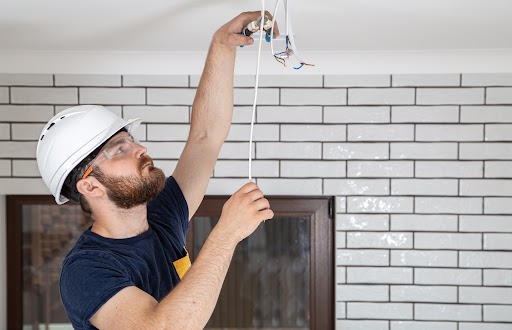
Connecting a hardwired smoke alarm to your home’s 240V electrical system isn’t a weekend DIY project. In Western Australia, only a licensed electrician is legally permitted to install or disconnect mains-powered alarms. That’s not a bureaucratic technicality—it’s a safety requirement that exists for very good reasons.
A licensed electrician will work out the best placement for your home’s layout, install the alarms to Australian standards, test everything properly once it’s in, and issue a Certificate of Compliance for the electrical work. Doing it yourself—or using someone who isn’t licensed—can void your insurance policy and leave you exposed if there’s ever an incident.
Where Should Smoke Alarms Go?
Placement matters just as much as alarm type. According to DFES and AS 3786, alarms should be positioned:
- On every level of a multi-storey home
- In every bedroom, or in the hallway directly outside the bedroom area
- In hallways and corridors connecting sleeping and living areas
- At the top of stairs in multi-level homes
Mount them on the ceiling, at least 300mm from any wall or light fitting. In rooms with pitched or angled ceilings, install between 500mm and 1500mm from the apex. Keep them well away from air vents, ceiling fans, and windows—air movement can significantly slow an alarm’s response time.
Keeping Your Alarms in Working Order
Test monthly
Press and hold the test button until the alarm sounds. It takes about ten seconds. Do this every month, without fail. If you get no sound, replace the battery first—if that doesn’t fix it, call an electrician.
Replace the backup battery annually
Even mains-powered alarms rely on a backup battery. Replace it once a year. Many people tie this to a recurring date—Daylight Saving changeover is a popular one because it’s hard to forget. While you’re at it, vacuum the alarm grille with a soft brush attachment to clear out dust and insects, which can reduce sensitivity over time.
Replace the unit every 10 years
This catches a lot of people off guard. Smoke alarm sensors degrade over time, even if the unit still appears to be working. Most manufacturers recommend replacing the whole alarm after 10 years. Check the manufacture date on the back of yours—if it’s past the decade mark, it needs to go.
What About Residents with Special Needs?
A standard alarm that sounds at 85 decibels is useless for someone who is deaf or hard of hearing—especially when they’re asleep. There are purpose-built alternatives designed for exactly this situation:
- Strobe light alarms that flash brightly when triggered
- Vibrating bed or pillow shakers connected to the alarm system
- High-decibel audio-visual units (up to 120dB) for those with partial hearing
These can be integrated into an interconnected mains-powered system so that when any alarm in the house triggers, every alert type activates simultaneously. If someone in your household has specific needs, it’s worth talking to a security specialist about how to design a system that genuinely works for everyone under your roof.
FILL YOUR DETAILS HERE For more Information
Connecting Smoke Alarms to a Broader Security System
A standalone smoke alarm is a minimum safety measure. Connecting it to a monitored security system takes things a step further.
When your smoke alarm is integrated into a monitored system, a trigger doesn’t just sound an alarm in your home—it alerts a 24/7 monitoring centre, who can contact emergency services immediately. You also get real-time alerts sent directly to your phone, which matters if you’re away from home or if the property is a rental.
For Perth homeowners who already have CCTV, alarm monitoring, or access control in place, adding smoke alarm integration into the same system is a practical and relatively affordable upgrade that closes a significant gap in home safety.
Why Work with Access 1 Security Systems?
Access 1 Security Systems, based in Malaga, Perth, has been operating across Western Australia for years. They’re a 2023 National Award Winner for security & electrical installation- a recognition that reflects the quality of work they consistently deliver.
Their team includes licensed electricians and experienced security consultants who handle smoke alarm installation as part of a broader commitment to keeping Perth homes and businesses protected. Every hardwired installation comes with a Certificate of Compliance, and the Access 1 team will walk you through exactly what your property needs under current WA law.
They’ve worked with a genuinely diverse range of clients—from individual homeowners to businesses including Australia Post, Red Rooster, Subway, and the Consulate General of Japan (WA). Whether it’s a family home in the suburbs or a multi-site commercial operation, they bring the same level of care and attention to every job.
If you want smoke alarm integration as part of a larger security setup—CCTV, alarm monitoring, access control—Access 1 can design and install the whole thing as a single, coherent system.
The Bottom Line
Getting smoke alarm installation right in Perth comes down to a few non-negotiables: the correct alarm type, proper placement, installation by a licensed electrician, and regular maintenance. Every one of those pieces matters. A smoke alarm that’s the wrong type, poorly placed, or sitting quietly with a dead battery offers almost no protection at all.
If you’re not confident your current setup meets WA requirements, it’s worth getting it checked sooner rather than later. Access 1 Security Systems offers smoke alarm assessments and professional installation across Perth. Reach out to the team at access1security.com.au to arrange a consultation.