
Are you an Australian Business Owner who is disturbed by the trends in violent crime and wants to ensure their business, staff and family have all the protection they need?



Video Surveillance Camera System Perth | Access 1 Security Systems
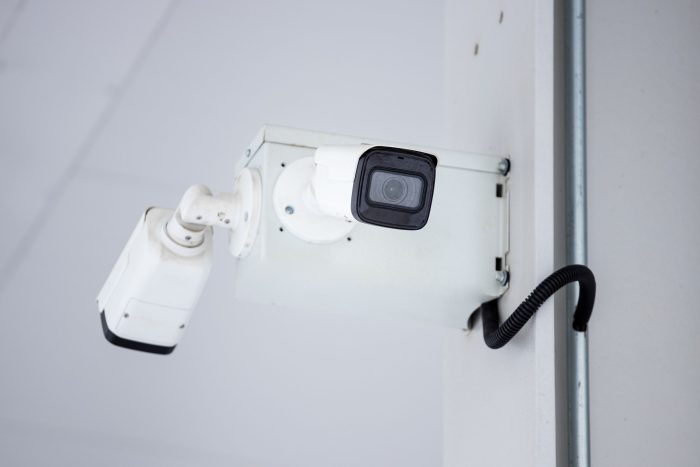
If you’ve started researching a video surveillance camera system for your home or business, you’ve probably noticed there’s a lot of conflicting advice out there. Some sites push you toward the cheapest hardware they can find, others bury you in technical jargon you don’t need. As a Perth-based security company that has been designing, installing and monitoring camera systems since 2003, we wanted to put together a straightforward guide that actually answers the questions property owners ask us every week.
By the end of this guide, you’ll understand what a video surveillance camera system actually does, what separates a reliable setup from one that fails you when it matters most, and what to look for before you commit to a quote.
What Is a Video Surveillance Camera System?
A video surveillance camera system is a network of cameras connected to a recording device and, in most modern setups, the internet — allowing footage to be captured, stored and viewed either on-site or remotely from a phone or computer. The technology has moved a long way past the grainy black-and-white tapes most of us picture when we hear “CCTV.”
Today’s systems are built around IP (internet protocol) network cameras rather than the older analogue style. That shift matters because IP cameras deliver sharper resolution, smarter detection features, and the ability to check in on your property from anywhere in the world through a simple app — whether you’re at home, at the shops, or travelling overseas.
A typical video surveillance camera system has three core parts:
- Cameras — the devices capturing footage, ranging from compact dome cameras to weatherproof bullet cameras and pan-tilt-zoom (PTZ) units for wide outdoor areas.
- A recorder — usually a Network Video Recorder (NVR) that stores footage, either on a local hard drive, the cloud, or both.
- A viewing and access platform — the app or software that lets you (and, if needed, a monitoring centre) view live and recorded footage.
Why More Perth Property Owners Are Installing Camera Systems
Break-ins, vandalism and staff theft don’t happen on a schedule, and they rarely happen when you’re standing right there to see them. A well-placed video surveillance camera system does three jobs at once: it deters opportunistic offenders who simply move on when they spot a camera, it gives police something concrete to work with if an incident does occur, and it lets you keep an eye on the parts of your property you can’t watch in person all day.
For business owners specifically, the value goes further. Footage from a video surveillance camera system can help resolve disputed insurance claims, settle disagreements over deliveries or workplace incidents, and provide oversight of cash handling, stock movement and customer interactions without anyone needing to be physically present.
We see this play out across the businesses we work with — from fast food outlets and storage facilities to franchise networks and corporate offices. The needs differ slightly in each case, but the underlying goal is the same: visibility over the areas that matter most, recorded reliably enough to actually be useful when something goes wrong.
Key Features That Separate a Reliable System From a Disappointing One
Not all video surveillance camera systems are built equally, and the difference often only becomes obvious after an incident — when the footage turns out to be too blurry, too dark, or simply missing because the recorder wasn’t set up correctly. Here’s what we recommend paying attention to.
Resolution. Camera resolution is typically measured in megapixels, and higher resolution means clearer detail when you need to identify a face, a number plate, or exactly what happened. We typically install cameras ranging from 2 to 12 megapixels depending on the area being covered and how much detail is required.
Low-light performance. Most incidents at commercial premises happen outside business hours, so a camera that produces a washed-out, unusable image at night isn’t doing its job. Starlight-grade sensors capture clear, full-colour footage even in low light, which makes a meaningful difference to the usefulness of overnight recordings.
Smart detection (VCA). Video Content Analysis allows a camera system to do more than passively record. Depending on the setup, it can flag loitering, detect a person entering a restricted zone, count foot traffic, recognise when an object has been left behind or removed, or alert you the moment someone crosses a line they shouldn’t. This turns hours of footage into actionable alerts rather than something you only look at after the fact.
Remote access. A modern video surveillance camera system should let you check live footage and recordings from your phone or computer, whether you’re on-site, at home, or anywhere else.
Build quality. Outdoor and commercial cameras need to withstand WA’s climate and, in higher-risk locations, deliberate tampering. Vandal-resistant housings and weatherproof ratings matter more than people expect until the cheaper alternative fails within a year.
Storage and supplier sourcing. Where your footage is stored, and which manufacturer’s hardware sits on your network, both affect long-term reliability and data security. We’ve found that partnering with a small number of proven manufacturers, rather than installing whatever is cheapest at the time, leads to far fewer service callouts down the track.
Is It Legal to Install a Video Surveillance Camera System in WA?
This is a question we’re asked constantly, and it’s a fair one — privacy and security need to coexist. In Western Australia, the use of surveillance cameras is governed by the Surveillance Devices Act 1998 (WA), alongside the Commonwealth Privacy Act 1988 where applicable. In general terms:
- You’re entitled to install cameras that capture your own property, including incidental footage of a public footpath or street visible from your boundary.
- Cameras should not be deliberately angled to capture a neighbour’s private property, such as their backyard or windows.
- Audio recording is treated more strictly than video and generally requires consent in most circumstances.
- Workplaces have additional obligations around notifying staff that surveillance is in place and avoiding areas where there’s a reasonable expectation of privacy, such as bathrooms or change rooms.
- Anyone installing security equipment for payment in WA is required to hold a current security agent’s licence under the Security and Related Activities (Control) Act 1996.
This is general information rather than legal advice, and the right approach can vary depending on your specific property and circumstances. A properly licensed installer should be able to talk you through camera placement and signage so your system stays both effective and compliant — and it’s worth confirming your installer holds that licence before signing anything.
Choosing the Right System for Your Property
The right video surveillance camera system for a suburban home looks quite different from the one a fast food franchise or storage facility needs. A few things worth thinking through before you get a quote:
What are you actually trying to protect?
Entry points, cash handling areas, loading docks, car parks and stock rooms typically carry the highest risk and deserve the highest-quality coverage.
How many sites need to be visible from one place?
Multi-site businesses, such as franchise groups, often need a system that lets head office check footage across several locations from a single login.
Do you need active monitoring, or just recorded footage?
Some businesses are well served by a system that simply records reliably. Others — particularly those operating after hours or in higher-risk areas — benefit from footage being linked to a monitored alarm response.
How long do you need footage retained?
Insurance and HR processes can take weeks to resolve, so storage capacity needs to match how long you might realistically need to go back and review something.
A good installer should walk your property (or review your floor plan, for larger commercial sites) and design camera placement around your specific risk points, rather than simply selling you a fixed package.
Why Perth Businesses and Homeowners Choose Access 1 Security Systems
We’ve been designing and installing security systems across Western Australia since 2003, and video surveillance has been part of that work from the start. Over that time we’ve supplied and maintained camera systems for organisations including Subway franchise groups across WA and SA, the Consulate General of Japan in WA, National Storage facilities, BHP Billiton, Australia Post outlets and Red Rooster locations, alongside hundreds of local homes and small businesses across Perth.
A few things shape how we approach every installation:
- We’re a licensed WA security provider, so every system we design and install meets the legal requirements covered above.
- We partner with Milesight, installing their NDAA-approved range of IP cameras with starlight low-light technology and advanced VCA analytics, rather than reselling whatever hardware happens to be cheapest that month.
- Every system is custom-designed. We don’t believe in one-size-fits-all packages — a fast food outlet, a storage facility and a family home all have different vulnerabilities, and your camera layout should reflect that.
- We’ve been recognised industry-wide, including a 2023 national award for excellence in the security and electronics sector.
- Support doesn’t stop at installation. Our team handles servicing, upgrades and troubleshooting long after the cameras go up, which is reflected in the long-term relationships we’ve built with clients across Perth.
How Our Installation Process Works
- Initial consultation — we discuss your property, your concerns and your budget, either over the phone or on-site.
- System design — our team maps out camera placement based on entry points, blind spots and the specific risks at your property.
- Installation — our licensed technicians install the system with minimal disruption to your home or business.
- Walkthrough and training — we show you exactly how to access live footage and recordings from your phone or computer before we leave.
- Ongoing support — we’re available for servicing, upgrades, or expanding your system as your needs change.
Frequently Asked Questions
Do I need a permit to install CCTV at my Perth home or business?
What's the difference between an IP camera system and an older analogue CCTV system?
Can I view my video surveillance camera system footage remotely?
How long is footage usually stored?
Do I need monitoring as well as cameras?
Ready to Discuss Your Video Surveillance Camera System?
Whether you’re protecting a single shopfront, a multi-site franchise, or your family home, the right video surveillance camera system comes down to good design, reliable hardware, and a provider who’s still there after the cameras go up. Our team has been doing exactly that for Perth homes and businesses since 2003.
Call us on 1300 855 781 or get in touch online to arrange a consultation, and we’ll help you design a system built around the way you actually use your property.